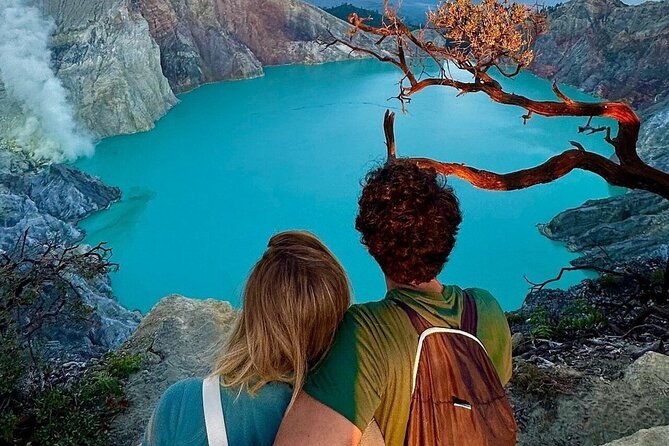
From Banyuwangi or Bali: Sunrise Ijen Volcano Hiking, All Inclusive
Hotel pickupGate fee includedHealth cert included
From $28 per person
Weather does not change how comfortable this climb is. It changes whether it happens. Cloud in the crater hides the flames, rain turns the descent into loose wet rock, and the park closes the crater floor when the gas and the wind go the wrong way. That makes the month you pick the single biggest decision after which departure to book.
Three things, in order of how much they matter. It decides whether the crater floor is open, which decides whether the flames are reachable. It decides whether there is a view from the rim at all. And it decides how much grip the track has under your feet at three in the morning.
None of those is knowable a month out. What you can control is booking a Ijen crater tour that refunds at 24 hours, and giving yourself a spare morning if the trip allows one.
| Season | Months | What to expect | Booking advice |
|---|---|---|---|
| Wet | November–March | Rain most days, cloud in the crater, frequent closures of the floor | Lowest prices and crowds; keep the date flexible |
| Changeover | April and October | Occasional showers, mostly clear mornings | Best balance of conditions and company |
| Dry | May–September | Clear nights, cold rim, reliable visibility | Book a week ahead; be early on the trail |
Wet season, and the wettest stretch of it. Rain falls most days, usually in the afternoon and evening, and cloud sits in the crater on many mornings. The track turns greasy and the crater descent is often closed. Trips still run; book one that refunds at 24 hours.
Still firmly wet. Expect rain on most days and a real chance of a clouded-out sunrise. Crowds are at their lowest of the year and prices with them. If the forecast clears for a night, this is the emptiest the rim gets.
The rain begins to ease through the month, and the second half is noticeably drier than the first. Mornings clear more often. Visibility from the rim improves week by week. A flexible date is worth more here than at any other time.
The changeover month. Showers become occasional rather than daily and the track dries out. Temperatures on the rim before dawn sit in single figures. Good odds, small crowds — the best value fortnight of the year is usually in late April.
Dry season proper begins. Clear nights are the norm and the crater is open far more often than not. Visitor numbers start climbing. Book a week ahead rather than two days.
Dry, clear and cold before dawn. The rim can drop close to freezing with wind on it. Sunrise visibility is at its most reliable. Bring a proper layer rather than a fleece.
Peak season, peak conditions and peak numbers. Several hundred people can be on the trail on a single night. The flames are at their most reliably visible because the air is dry. Being early on the trail matters more this month than any other.
The same as July with more people. Clear skies, cold rim, long queues at the gate and on the crater track. Accommodation in Banyuwangi fills. Book the departure and the bed at the same time.
Dry, clear, and the crowds start to thin after the first week. Conditions stay close to peak into October. Prices ease. This is the month experienced visitors keep recommending.
Still mostly dry, with the first afternoon showers returning late in the month. Mornings remain clear. Numbers are moderate. A good compromise between conditions and company on the trail.
The wet season returns, usually in the second half. Cloud in the crater becomes common again and the track loses its grip. Closures for weather start appearing. Keep the date flexible.
Wet, busy over the holidays, and unpredictable night to night. Rain falls most days and the crater floor is often shut. Some operators stop taking bookings between Christmas and early January. Check before you plan around it.
East Java runs a wet season from roughly November to March and a dry one from May to September, with April and October as the hinges. For this mountain the dry season is not merely nicer; it is when the thing you came for is most often visible and the crater floor most often open.
The trade is company. July and August put several hundred people on a three-kilometre track at the same hour. September and late April give you most of the conditions and a fraction of the queue, which is why they come up again and again in the reviews.
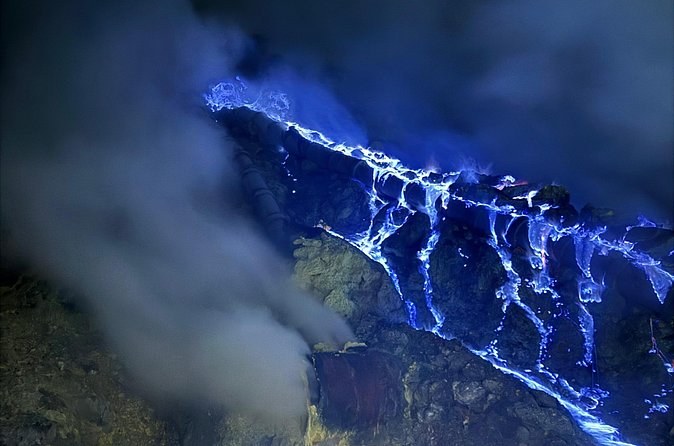
The flames need darkness, so earlier is better: on the trail by two, at the vents by three, back on the rim for the light around half past five. Every departure here is built to that shape, and the ones that leave Banyuwangi at eleven give you the most margin.
The moon is the variable nobody mentions. A full moon lifts the ambient light enough to wash out a flame that is faint to begin with, so if your dates are flexible, pick the week around a new moon. It costs nothing, and why the flames are faint in the first place explains why it makes as much difference as it does.
Three things, and only one of them is weather. The park shuts the crater for one day in the first week of each month. It closes the crater floor when gas readings rise, at any time of year. And it closes the whole trail when the weather makes it unsafe.
All three are handled the same way: a booking that refunds at 24 hours, and a word with your operator the week before. The safety page covers what happens on the night itself, and every departure is on Ijen Volcano Tours.
Yes, and more often than most visitors expect. The crater shuts for one day in the first week of each month, and the park closes it at any time when the gas readings or the weather call for it — one reviewer's group arrived after a two-month closure. Book a departure that refunds at 24 hours and check your date with the operator.
The operator moves you or refunds you, and this is the reason the cancellation line matters more here than on most trips. The park closes the crater for heavy gas, for bad weather and for one day in the first week of each month. Booking a tour with a 24-hour window is the cheapest insurance available against it.
Yes, a few days ahead. Almost every departure here runs once a night and fills from a single town, and the cheapest seats go first in the dry months. Two or three days is comfortable outside July and August, and a week is safer inside them.
From $28 per person
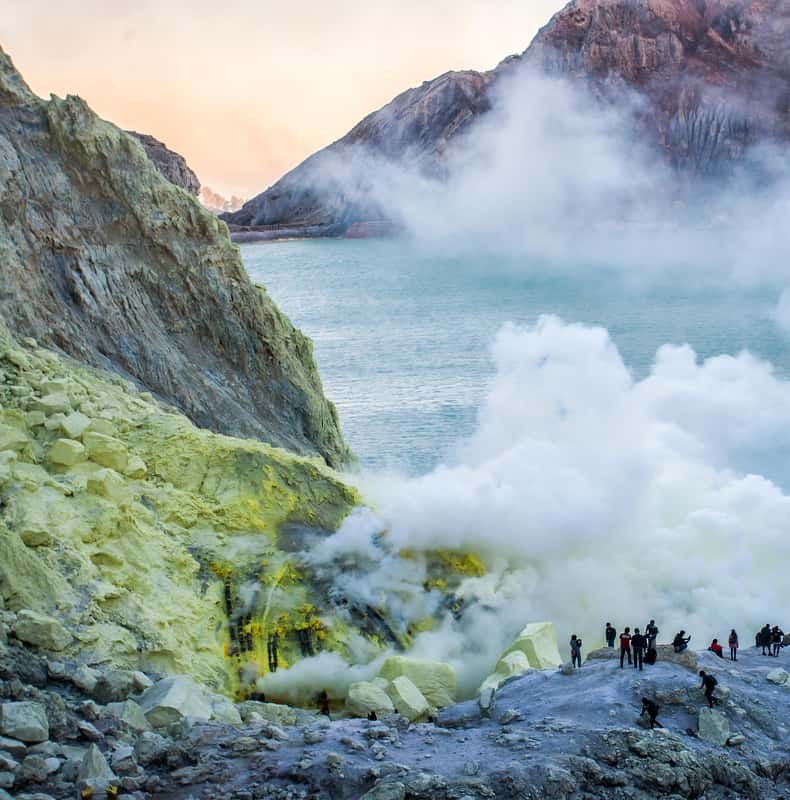
From $101 per person
From $134 per person