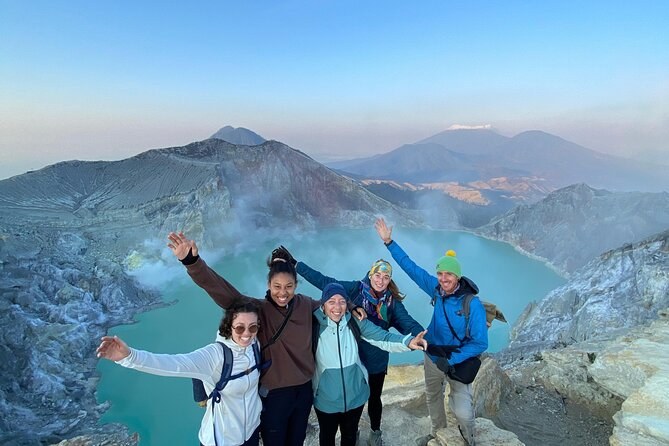
What an Ijen Volcano Tour Costs
Short answer. Fares run from $26 to $507 and the spread is distance and beds rather than quality. Four separate costs get paid at the gate if your fare does not cover them: park entry, the health declaration, mask hire and the trolley taxi. The first and third are inside almost every fare, the second varies, and nothing covers the fourth.
Two listings for the same mountain can differ by nearly five hundred dollars, and nothing in either title explains why. Here is where the money actually goes.
Why is one tour $26 and another $507?
Because they are not selling the same day. The twenty-six dollar version drives you an hour from Banyuwangi and back in a night. The five-hundred-dollar version buys a whole private vehicle for three days with two nights of accommodation, a second volcano and a waterfall attached, and it is priced for the group rather than per person.
The four hours you spend on the mountain are identical. Everything above the floor is buying distance, sleep, exclusivity or a second sight.
What does the cheapest fare include?
More than you would expect. Twenty-six dollars from Banyuwangi carries the car, the driver, fuel and parking, the park entrance ticket, a gas mask, a head lamp, bottled water, a snack and an experienced guide. What it does not carry is the health declaration fee, and it runs with a cap of fifty travellers.
That is the floor for this mountain and it is a genuine one. Nothing cheaper exists because the car and the gate fee alone account for most of it.
What are the four costs at the gate?
The park charges its entry per person, and more at weekends and public holidays than midweek.
| Cost | Who pays it | Typical handling |
|---|---|---|
| Park entrance | Every visitor | Inside almost every fare; posted at the window if not |
| Health declaration | Every climber | Six fares include the fee; otherwise a small cash payment on the way up |
| Gas mask and headlamp | Every climber | Inside every fare here; hired at the gate if you come alone |
| Trolley taxi | Optional | In nobody's fare. 50 to 80 US dollars, cash, negotiated on the spot |
The site does not print the park's own figure, because it is set by the authority that runs the reserve, differs by day and by nationality, and could not be checked against an official source when these pages were written. The rate on the day is posted at Paltuding and the gate page describes what else is up there.
What does a Bali departure add to the bill?
A ferry both ways, four to six hours of driving each way, and on most of them a bed and two meals. That is the difference between a twenty-six dollar night and a hundred-dollar one, and it is a fair price for what it removes.
The version without the bed — five to seven hours, no overnight stay — costs more than the version with it on some listings, which looks strange until you notice it is private and the other is not. The Bali departures page compares them properly.
Does a multi-day package work out cheaper?
Per site, usually yes. A three-day trip at $282 covers two nights of accommodation, all three entrance fees, a private vehicle for three days, a 4WD at Mount Bromo and a ranger at each site. Booking those separately would cost more and take a week to arrange.
Per day it is obviously more, and that is the honest comparison to make if you only want the crater. The multi-day page sets out what each package adds.
Why are two listings for the same trip priced differently?
Because they are sold on different platforms with different terms. One operator's twenty-four-hour trip from Bali appears at $101 with free cancellation at 24 hours, and at $120 sold final with no refund at all. Same operator, same product, two different storefronts.
That is worth knowing before you assume the cheaper of two similar listings is the worse one. Read the cancellation line as carefully as the price.
Useful tip. Compare the Includes blocks rather than the headline fares. A fifteen-dollar gap closes entirely if one fare carries the gate fee and the health declaration and the other does not.
Do prices move across the year?
Barely. Unlike accommodation in Banyuwangi, which visibly tightens in July and August, the tour fares on this mountain hold steady across the seasons. What changes is availability: the cheapest departures sell out first in the dry months and are bookable almost on the day between November and March.
That has a practical consequence worth acting on. In peak season, book the fare early and the room early. Out of season, wait for a forecast you like and book two or three days ahead, because almost every listing refunds at 24 hours anyway. The timing guide covers the months.
What is not included on any of them?
- Tips. Not compulsory, not included anywhere, and widely given.
- The trolley taxi. Fifty to eighty dollars, cash, at the gate.
- Travel insurance. Listed as an exclusion on several fares.
- Meals on the night climbs. Water, coffee and a snack, and that is the right amount of food for a 1am start.
- Onward transport in Bali on the multi-day trips that finish at Ketapang harbour.
What does the health declaration actually cost?
A small fee, paid in cash, and it is a declaration rather than an examination. Several fares include it and list it plainly in their inclusions; on the rest it is collected on the drive up at a clinic or a checkpoint while you stay in the vehicle.
It is not a cost worth optimising, and it is not something to arrange before you travel. What matters is knowing it exists, because turning up at the gate having organised nothing is a slower start than it needs to be. The gate page covers where in the night it happens.
Is the price a guide to quality here?
Barely. Ratings across these listings run from 4.7 to 5.0 and the cheapest departure on the mountain rates 4.9. The expensive trips are not better guided; they are longer, more private, or carrying a bed and a second volcano.
Where price does track something real is the vehicle. Private listings cost more because the car is yours, and on a mountain where the hour you leave decides your position on the trail, that is a real product rather than a badge.
Is the trolley taxi worth eighty dollars?
For most people, no, and for some it is the difference between coming and not coming. It is a steel cart on bicycle wheels, pushed from behind and pulled from the front by miners working a second job, and it takes people up and down the three kilometres who could not otherwise manage them.
It is negotiated at the gate in cash, it is not in anybody's fare, and the price moves with how busy the night is. If there is any chance you will want one, carry the notes: nothing at 1,850 metres takes a card.
What do the multi-day packages actually include?
Entrance fees are inside all but one of these; the four-day trip excludes the Bromo and Ijen gate fees specifically.
| Package | Nights | Sites | Meals | Fare |
|---|---|---|---|---|
| Two days from Surabaya or Malang | 1 | Bromo and the crater | Lunch and two breakfasts | $243 |
| Three days from Malang | 2 | Tumpak Sewu, Bromo and the crater | Three breakfasts | $282 |
| Three days from Bali | 2 | Bromo and the crater | Two of each meal | $210 |
| Three days from Yogyakarta | 2 | Bromo and the crater | Two breakfasts | $425 |
| Four days from Surabaya | 3 | Bromo, Tumpak Sewu and the crater | Three breakfasts | $500 |
The pattern is that the longer packages carry the accommodation and the entrance fees and exclude the evening meals. Budget cash for dinners on any trip of two days or more, which is the one line almost everybody forgets.
What should you budget in total?
From Banyuwangi, with a guided night climb: the fare, a hotel night either side, and small notes for coffee and tips. From Bali, with the twenty-four-hour trip: the fare and almost nothing else, because the ferry, the bed and two meals are inside it. From Surabaya or Malang: the package price and cash for lunches and dinners, which most of them exclude.
Every fare, with its inclusions listed, is on Ijen crater tour, and the decision guide sorts them by the questions that actually settle it.
One last piece of arithmetic worth doing before you book: work out what you would spend reaching Banyuwangi under your own steam and staying a night there, then compare it with a fare from Bali that carries the ferry, the bed and two meals. For a lot of itineraries the gap is smaller than the headline prices suggest, and the whole comparison is laid out on Ijen Volcano Tours.
Frequently asked questions
How much is entry to Kawah Ijen?
The park sets its own per-person rate, higher at weekends and public holidays and higher for foreign than Indonesian visitors, and it is posted at the Paltuding window. Almost every fare listed here already covers it, which is why most visitors never see the figure.
How much does an Ijen tour cost?
From $26 per person for a night climb out of Banyuwangi. Day trips from Bali run $101 to $134, overnight trips $120 to $199, and the two-to-four-day packages with Mount Bromo $190 to $507.
Do I need cash on the mountain?
Yes, in small notes. Nothing at 1,850 metres takes a card, and you will want it for the warungs, for tips, for the stalls selling gloves, and for the trolley taxi if you decide you want one.
Is the health certificate expensive?
No. It is a small fee and a declaration rather than an examination, collected on the drive up. Several fares include it; on the rest your guide arranges it and you pay in cash.
Which fare gives the most for the money?
For one night, the cheapest climb from Banyuwangi, which carries the gate fee and rates 4.9. For a trip from Bali, the twenty-four-hour version with dinner, a room and the ferry both ways at around $101. The private tours page covers what the step up buys.
The floor, the middle and the full package
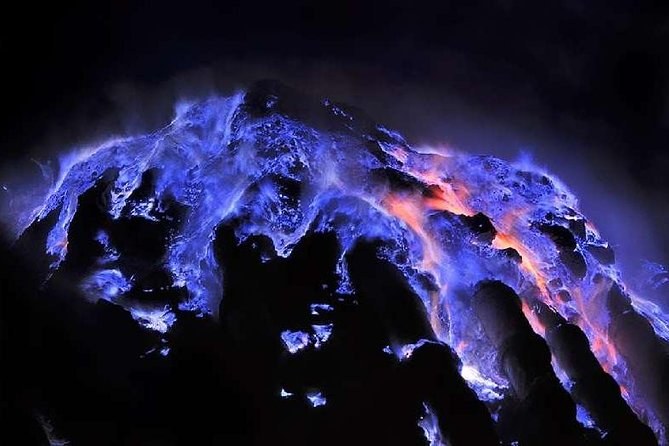
Ijen Crater Private Night Tour from Banyuwangi
PrivateTransport includedGate fee included
From $65 per person
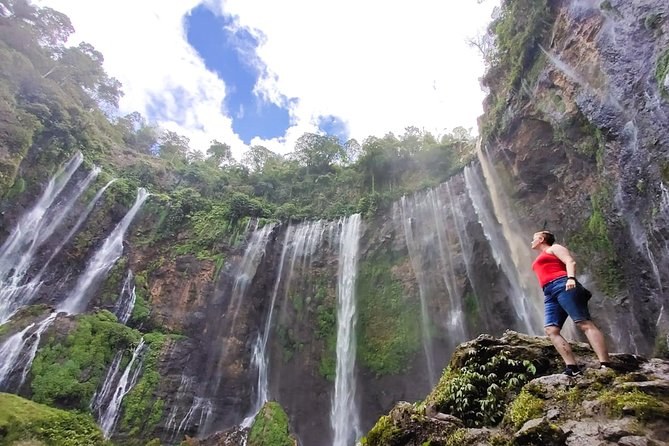
3 Days: Tumpak Sewu, Bromo and Ijen Adventure via Malang or Surabaya
PrivateTransport includedGate fee included
From $282 per person